

We combinesynthetic biology and AIto create new therapeuticsfor longer, healthier lives.
CB Therapeutics unlocks rare natural products, designs and screens new molecules with agentic AI and decades of expertise, and engineers its strains in an automated lab.
Aims
We work toward human flourishing.
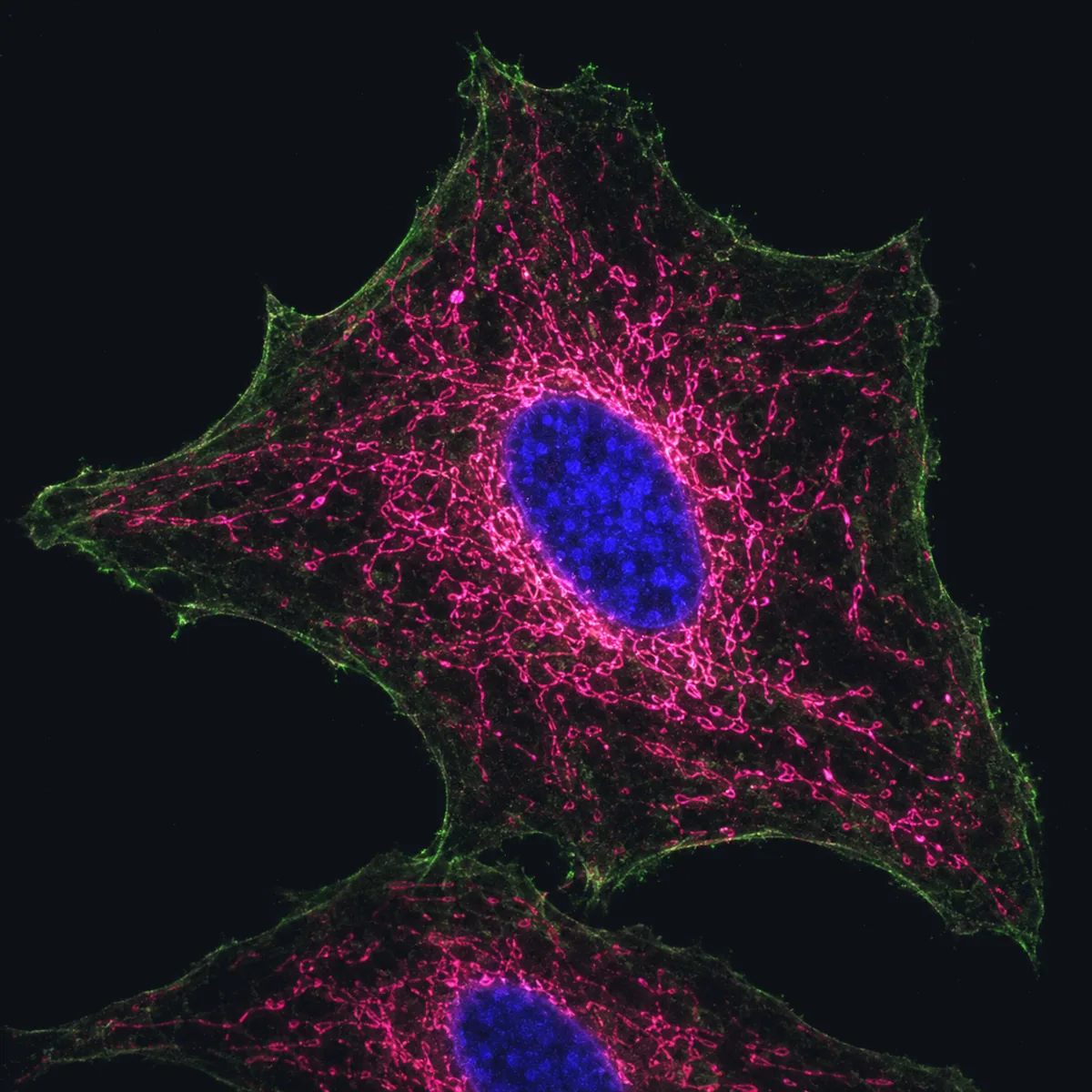
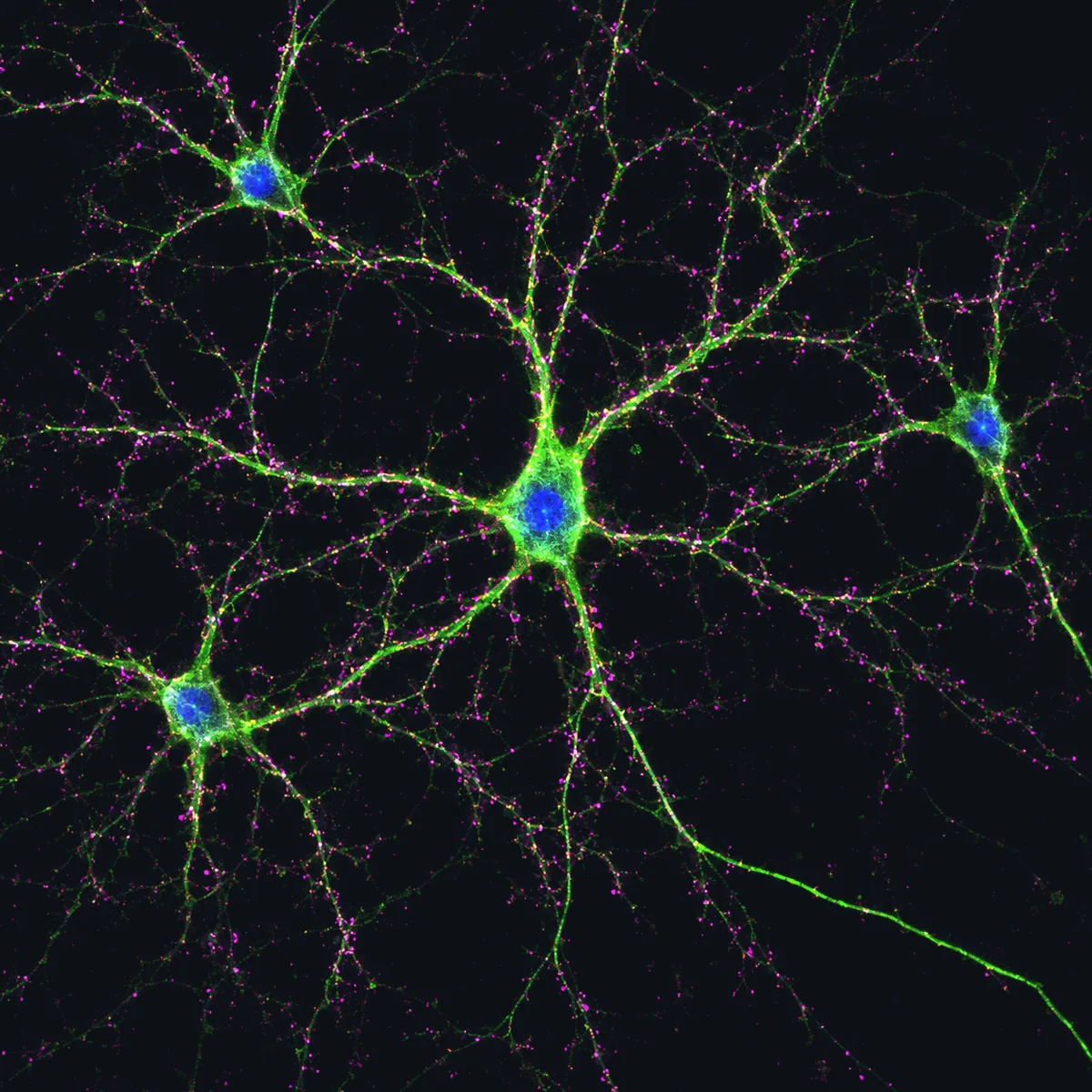
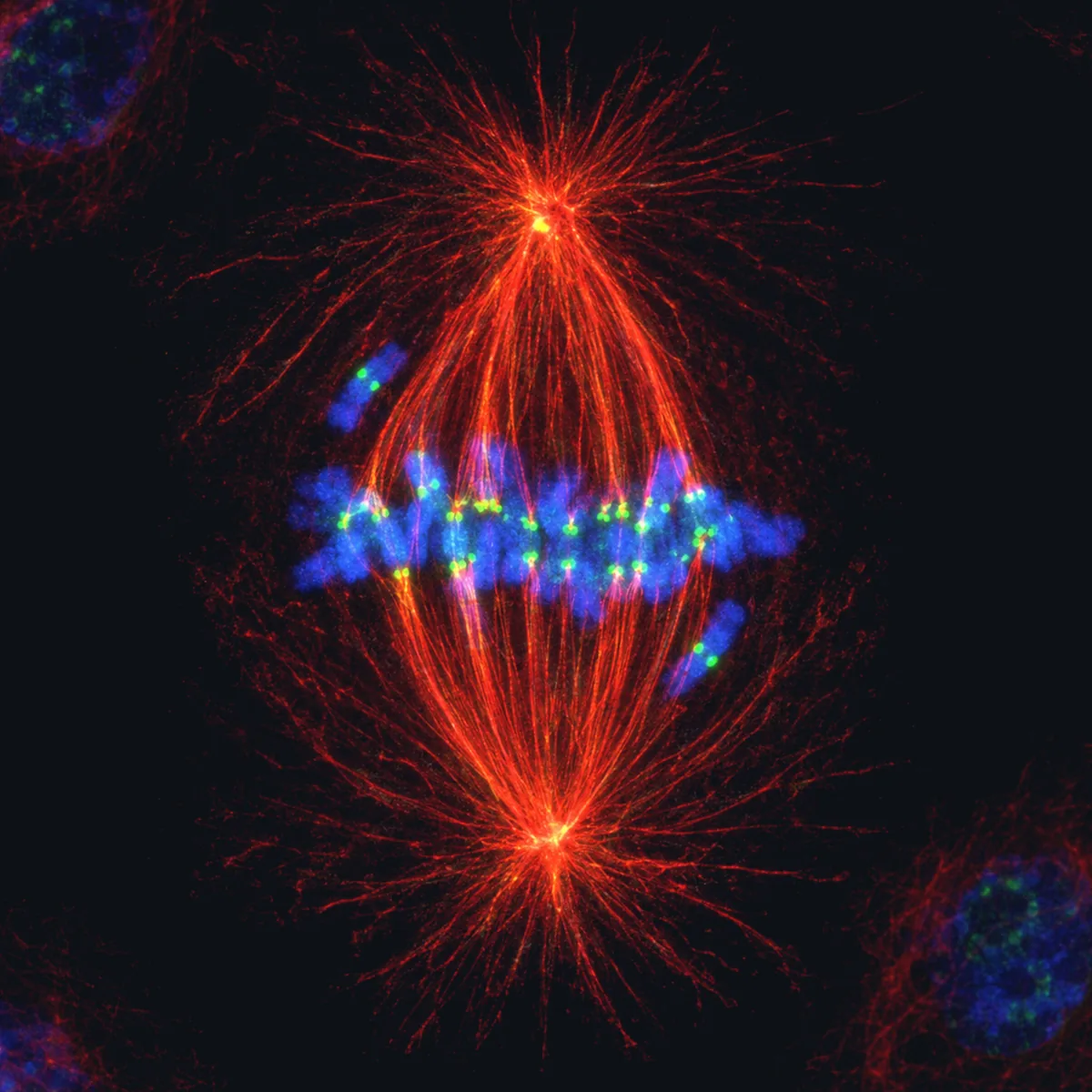
Mitochondria, neurons, and a dividing cellIllustration
-
Healthspan and longevity
We make natural and novel peptides for longevity research.
-
Mental health
We make natural compounds that mental health researchers study, and design new molecules with AI.
-
Disease
With AI, we design peptide and small-molecule candidates for therapeutic targets.
In silico
Our AI pipeline designs and screens new candidates.
We build the AI agents with our biologists and chemists.
- Design Peptides, binders, enzymes, and small molecules
- Screen in silico Thousands of designs each week
- Make Fermentation, cell-free, and chemical routes
- Analyze LC-MS, HPLC, and GC in house
- Train Wet-lab data trains the models
Compounds
We grow natural products in yeast.
Fermentation replaces scarce plant material with a reproducible supply.
-
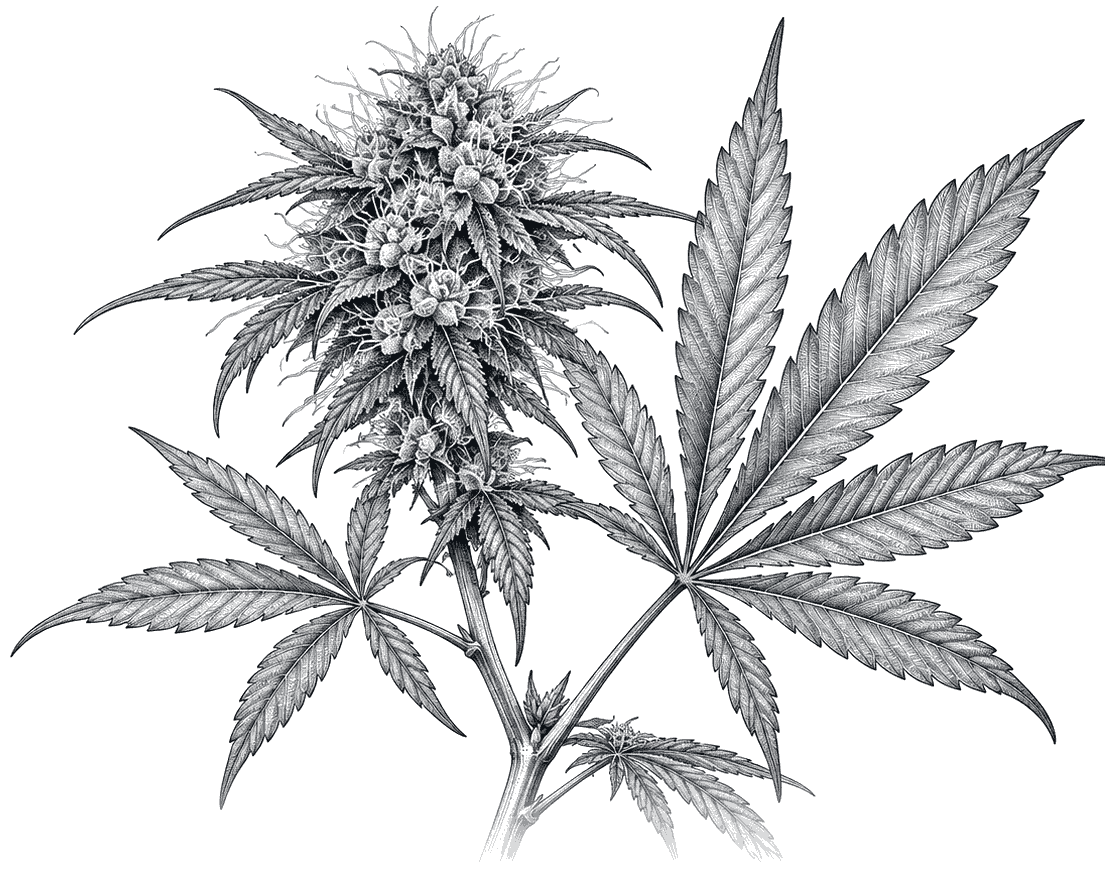
Phytocannabinoids
-
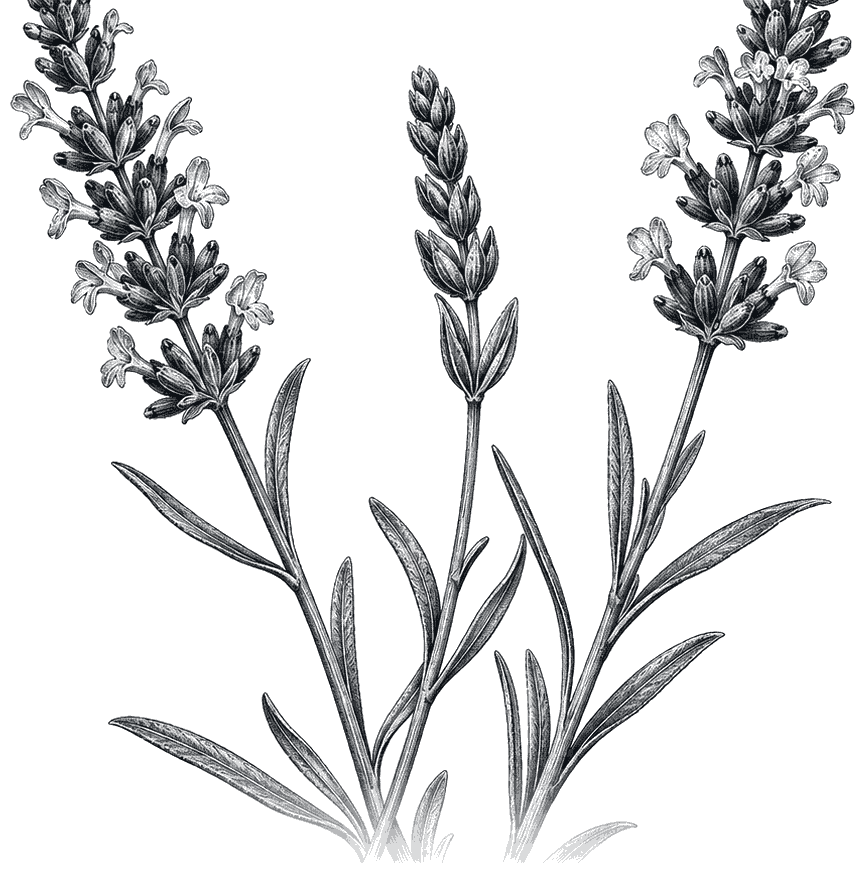
Terpenes
-
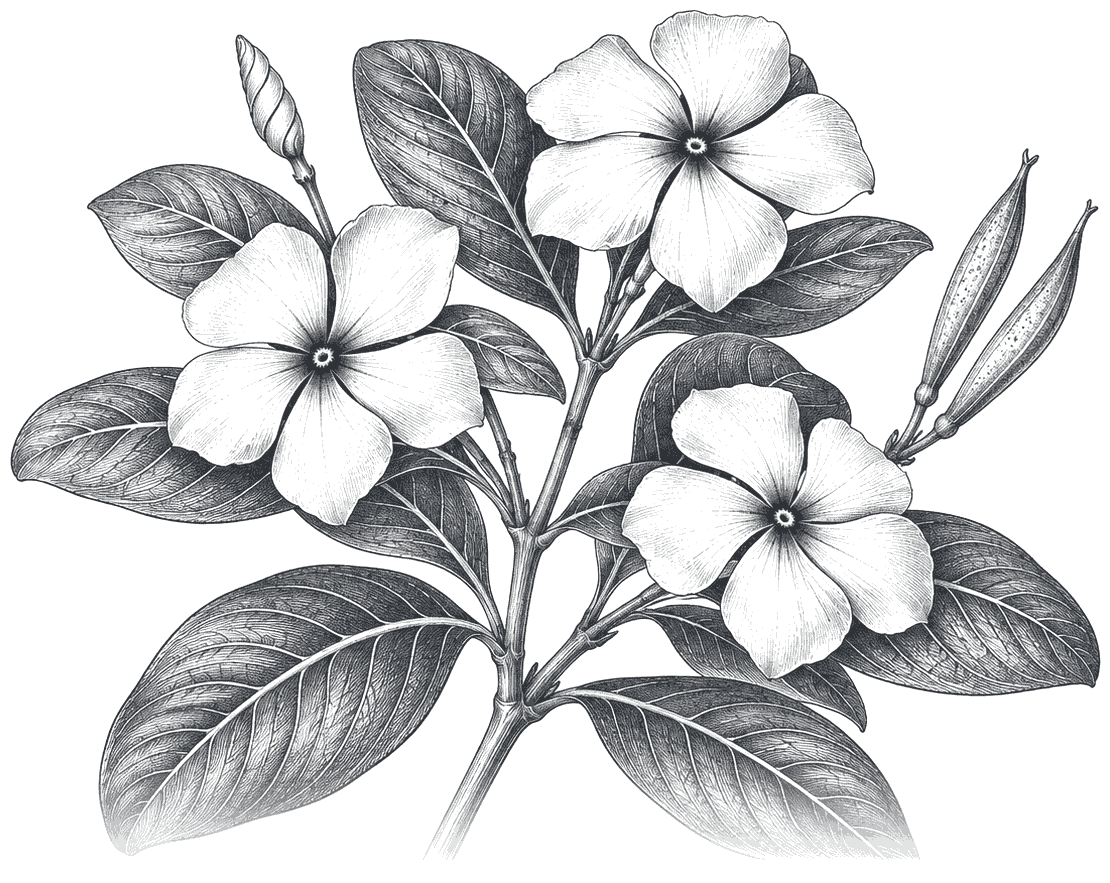
Complex alkaloids
-
We insert a plant’s pathway genes into yeast.
The engineered strain then makes the plant’s compound.
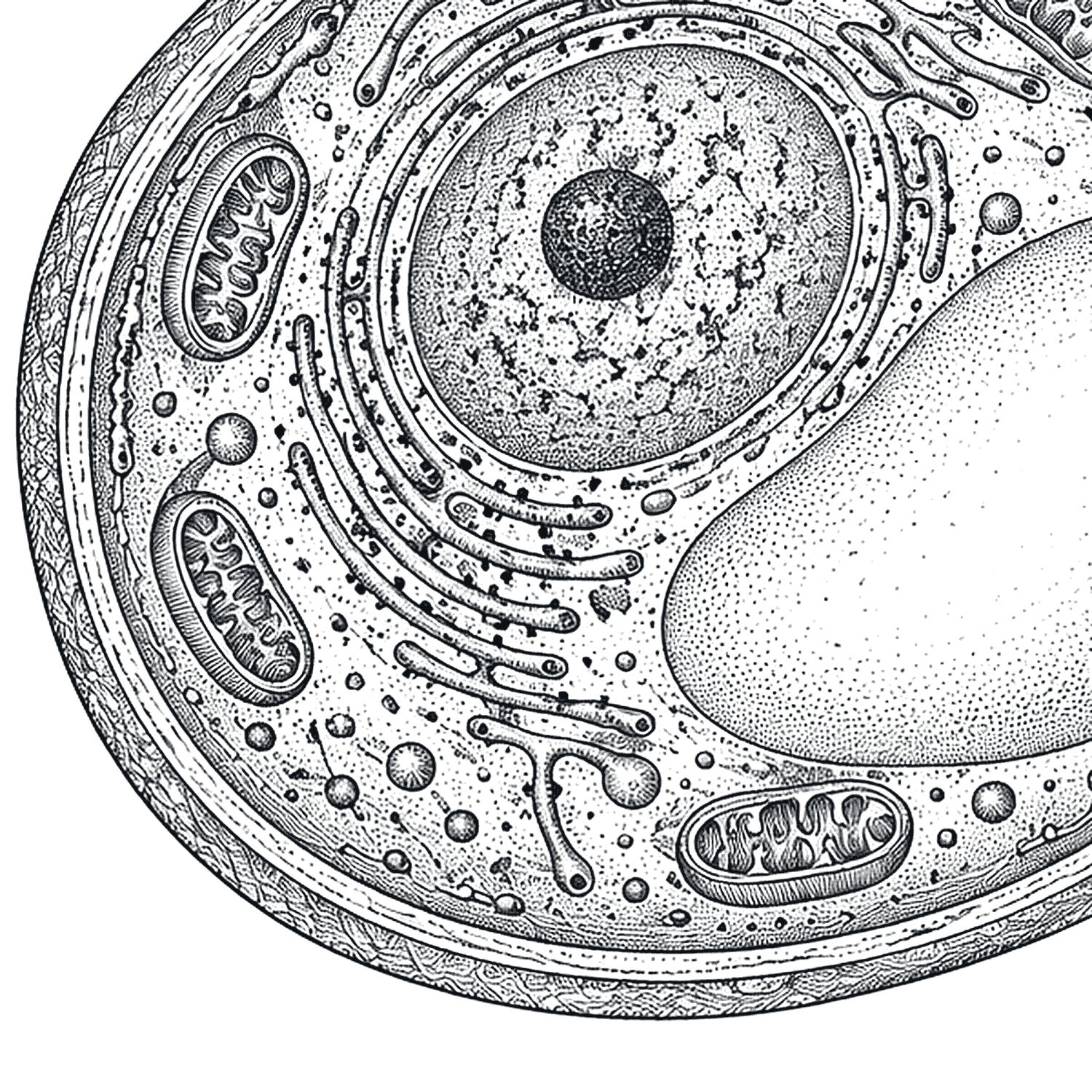
Budding yeast cellIllustration -
Enzymes catalyze each step of the pathway.
For each step, we find enzymes in genomic data, screen them, and tune the most active.
Enzyme with its substrateIllustration -
More than 3,000 potential monoterpene indole alkaloids.
Our yeast platform makes their shared precursor.
Alkaloid scaffoldSchematic


AI design
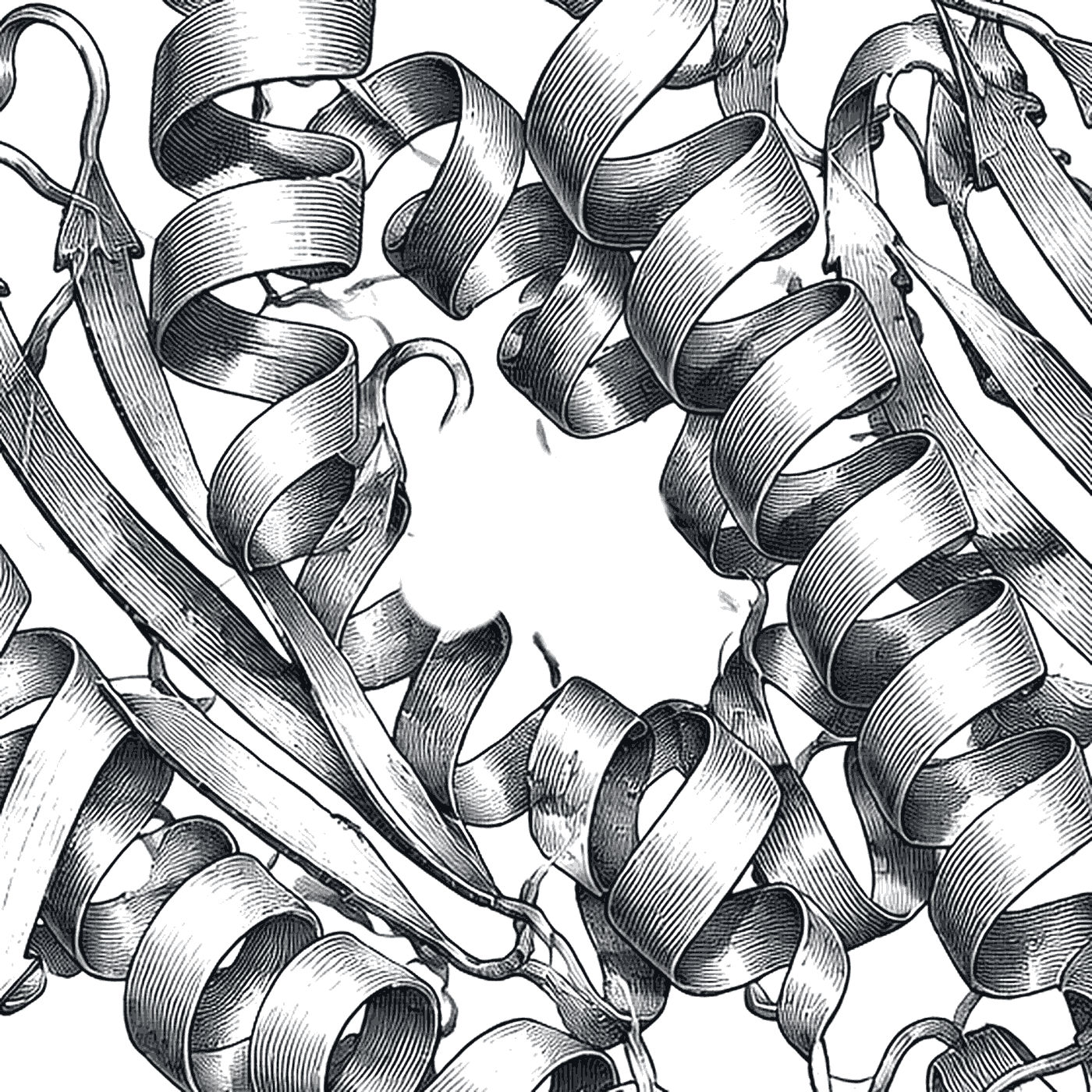
Our AI agents co-design binders for therapeutic targets.
A binder is a small protein or peptide that binds one site on a target protein. Our scientists and AI agents design them as candidates for new therapeutics.

- The agents design candidate binders for one site on the target.
- The agents score each candidate’s predicted fit to the site, shown as the ring, and refine the designs toward higher scores.
- The top candidate goes to the lab for testing.
Candidates
Our AI agents design new small molecules, peptides, and binders.
Natural and new-to-nature scaffolds get new side chains. Peptides get new sequences.
- New targets Bind a protein that the starting compound does not reach.
- New activities Change what a compound does at its target, or add an activity it lacks.
- Fewer unwanted effects Keep the activity that makes a compound worth studying for mental health, and design out an effect on heart rhythm.
Lab
We engineer strains in rounds of lab-in-the-loop science.
-
For a target compound, we choose the enzymes and design the pathway.
-
Automated tools assemble the pathway’s DNA and build the strains.
-
The automated lab grows the strains and measures what they make.
-
AI agents analyze the results and plan the next round.
Facility
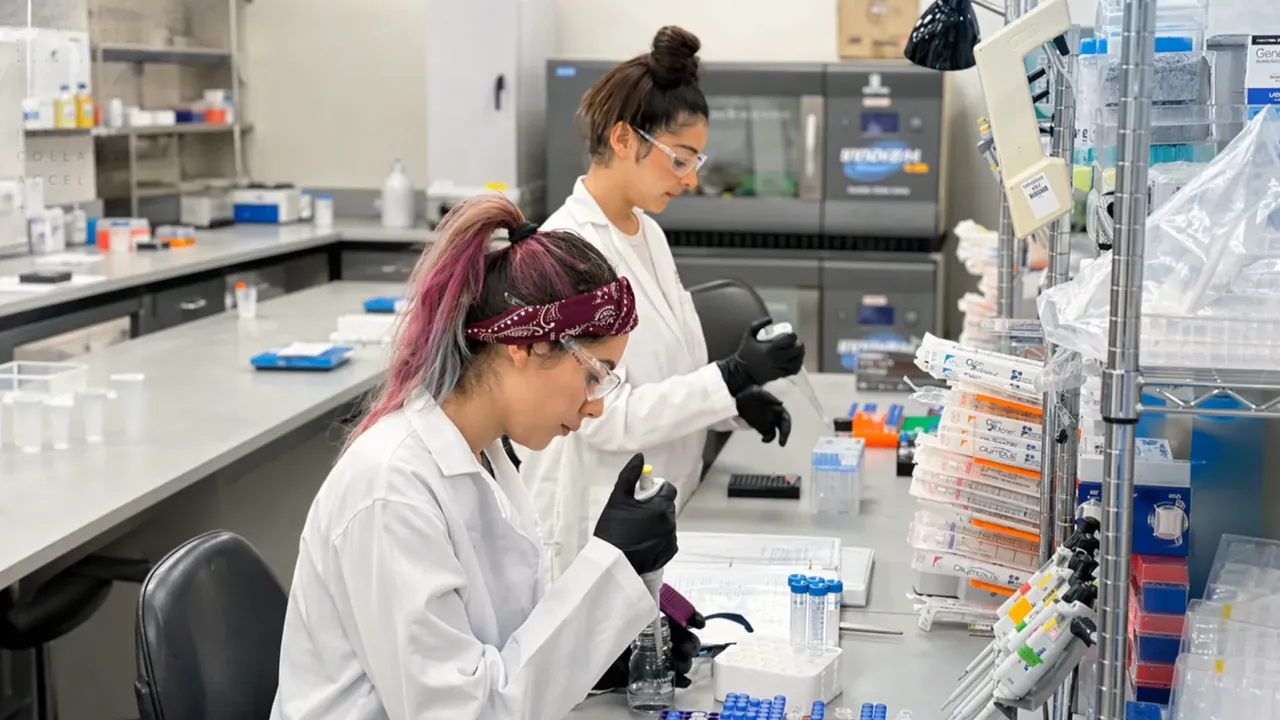
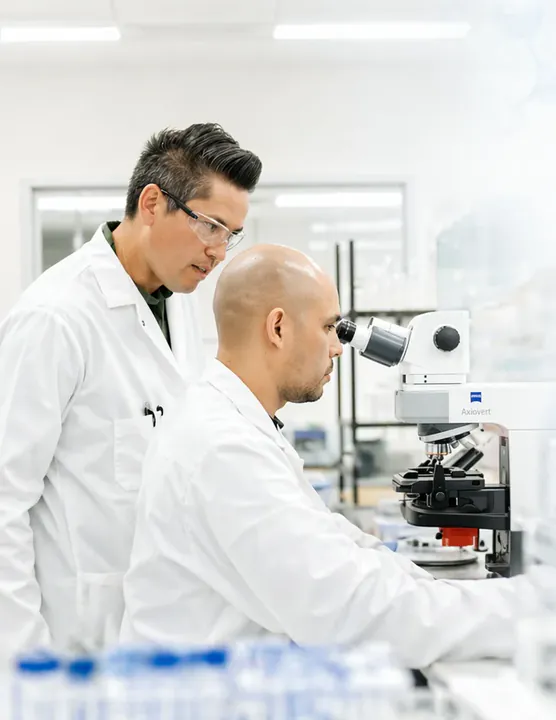
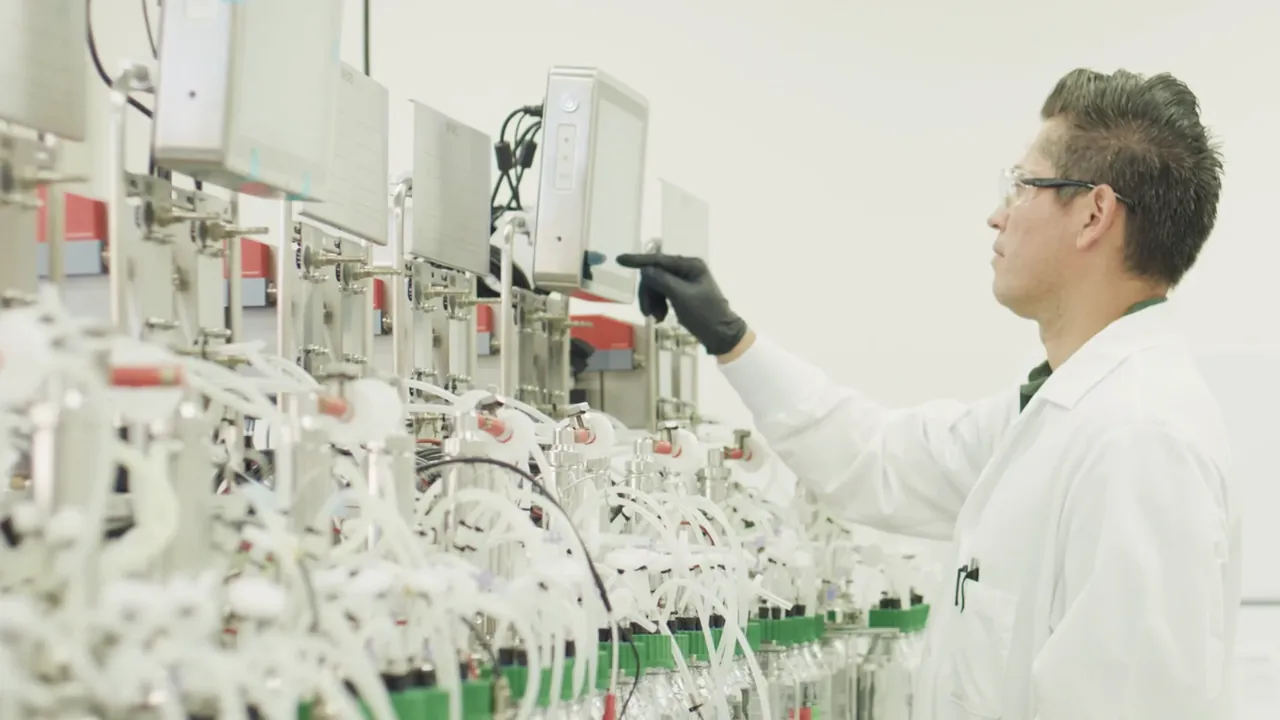
Vertically integrated from ideation to pilot scale.
- Tissue culture
- Fermentation
- Molecular biology
- Analytical chemistry
- Downstream purification

Healthspan
Healthspan is the part of life lived in good health.
Lifespan counts every year of your life. Longevity researchers study how to narrow the gap between lifespan and healthspan.
We use synthetic biology to make molecules for human health. We partner with others building products for mental health and other diseases.
Schematic of one example life. Health rises through childhood, stays level through adult life, and declines in later life. Under the drawing, a healthspan bar covers the years above the line of good health and a lifespan bar covers every year. A slider moves the end of healthspan.
How do researchers measure healthspan?
Some studies count the years a person lives free of major chronic disease. Others count the years without limits on daily activities.
What does longevity research study?
It studies how the body ages, and why the risk of many diseases rises with age. Researchers follow changes inside cells over time: damage to DNA, proteins that misfold and build up, mitochondria that make less energy, and cells that stop dividing but stay in the tissue. They also study aging in yeast, worms, flies, and mice, whose short lives let a single study follow a whole lifespan.
What affects your healthspan?
Genes, environment, and access to care all affect healthspan, and so do daily habits: physical activity, sleep, diet, and time with other people.
Where do compounds for aging research come from?
Several were first found in plants and soil bacteria, which often make them in small amounts. Researchers also study analogs: new molecules made by modifying the natural ones.
Team
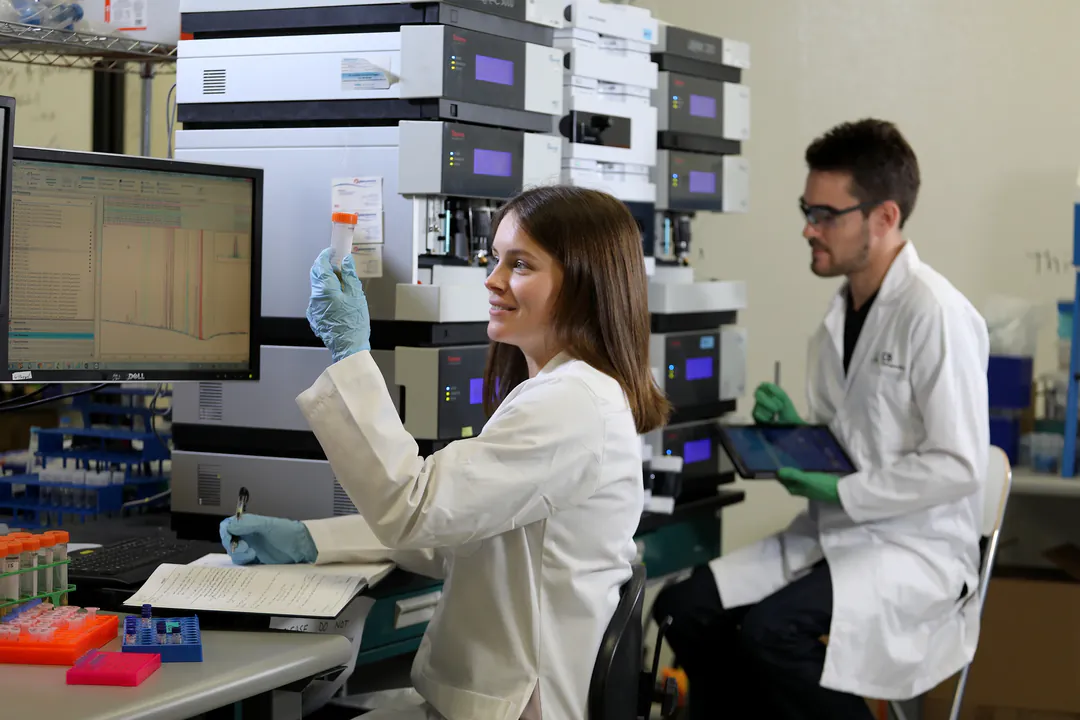
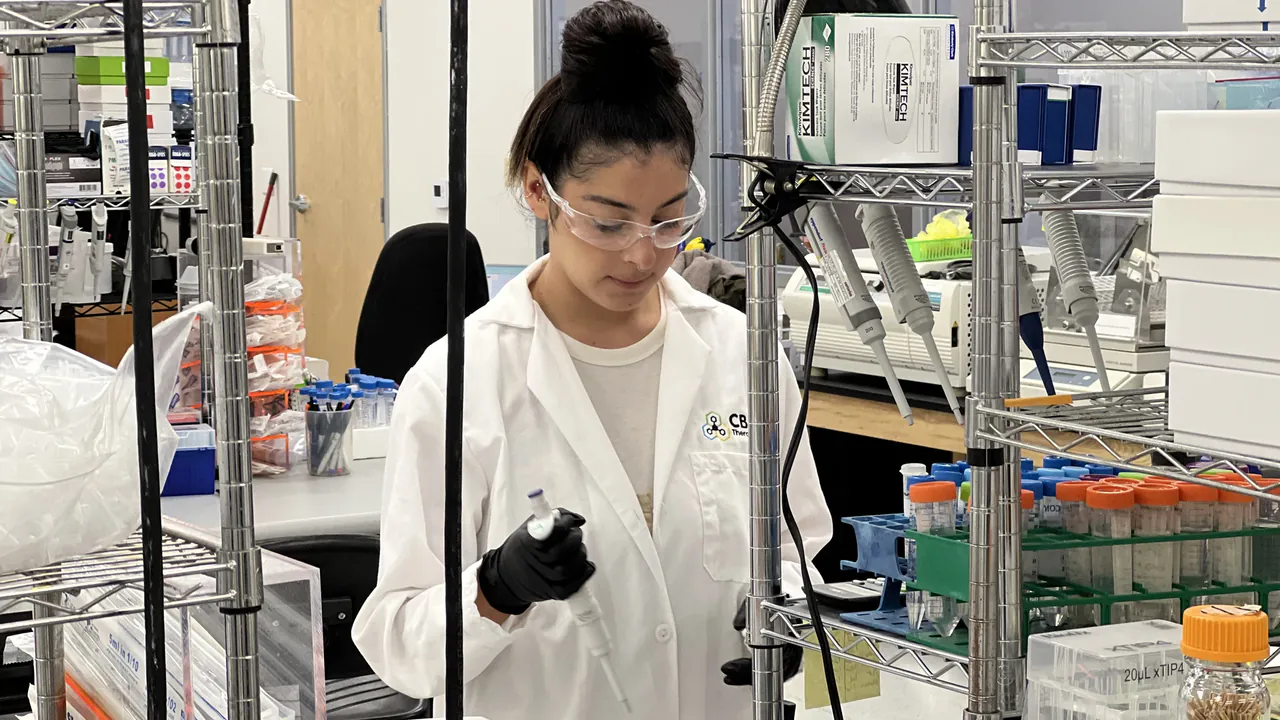
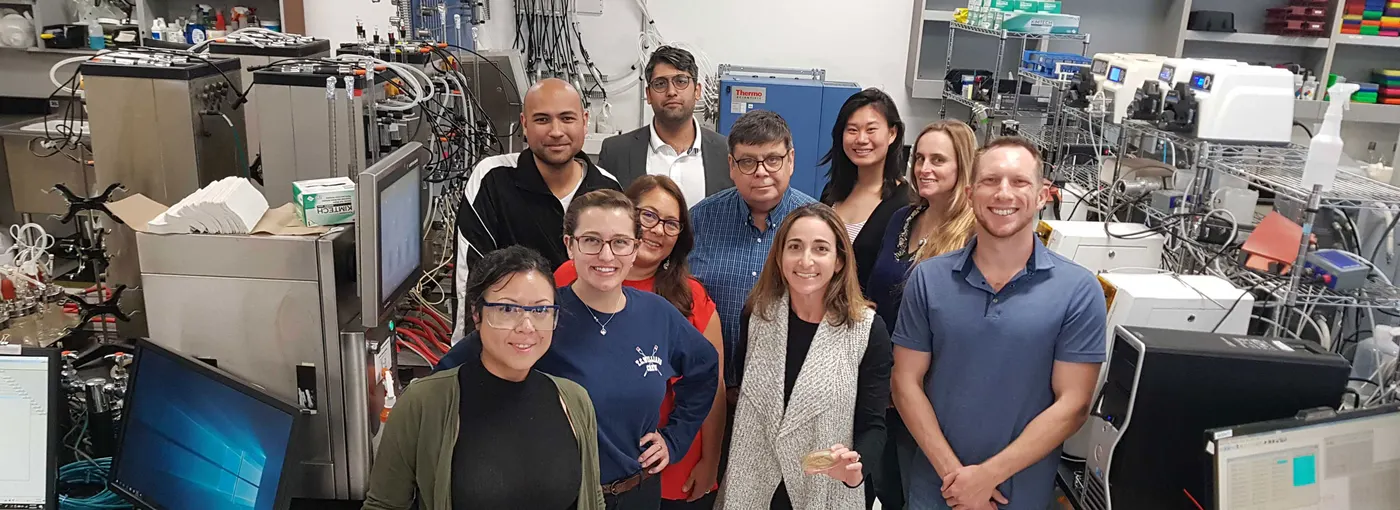
Our biologists engineer the strains, biomanufacturing engineers run the fermenters, AI and computational biologists build the agents, and analytical chemists characterize the compounds.
Founders
-
Sher Butt
CEO & Co-founder · MBA
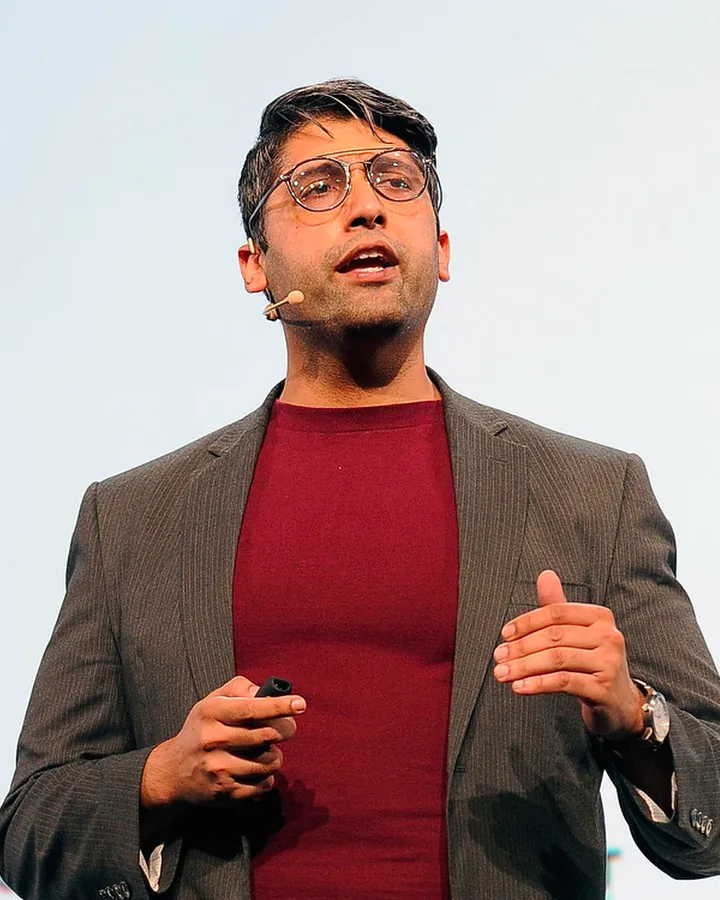
Sher co-founded CB Therapeutics to build a yeast platform for molecules that are hard to source any other way. Expertise in cannabis and alkaloid chemistry. Founded CB Labs and was CSO at Steep Hill, both cannabis testing labs. Earlier: project management and FDA-approval work at Novartis. BSc Biochemistry & Molecular Biology, UC Davis. MBA, Rady School of Management, UC San Diego.
-
Jacob Vogan
CSO & Co-founder · PhD
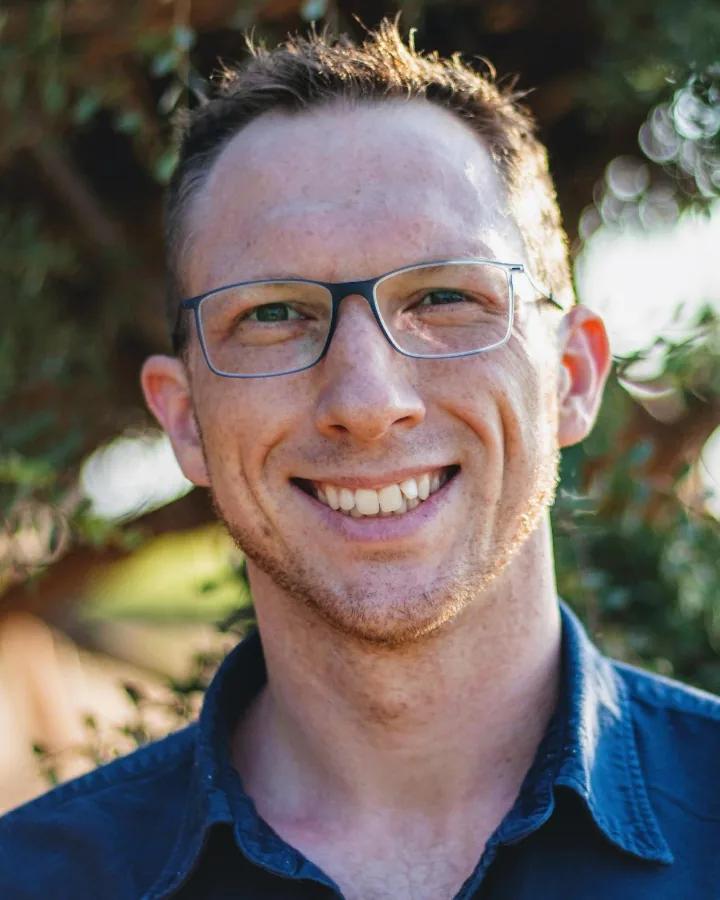
Jacob co-founded CB Therapeutics to build a synthetic biology platform for longer, healthier lives. He runs the biological science, with peer-reviewed papers and patents across alkaloid biosynthesis, genetic engineering, tissue culture, and precision fermentation. BS Bioengineering and Molecular & Cell Biology, UC Davis. PhD/postdoc, UC Berkeley.
Leadership
-
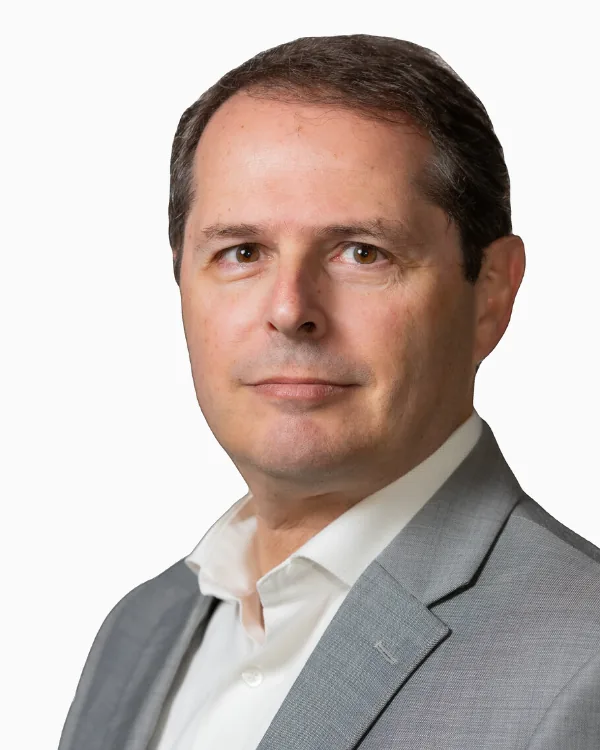
Thanos Karavokiris
Operations Executive · PhD
Thanos leads company operations at CB Therapeutics, including finance, legal, HR, and IT. He has 25 years of operating experience at startups and multinational technology companies, including senior operations roles at Dell.
-
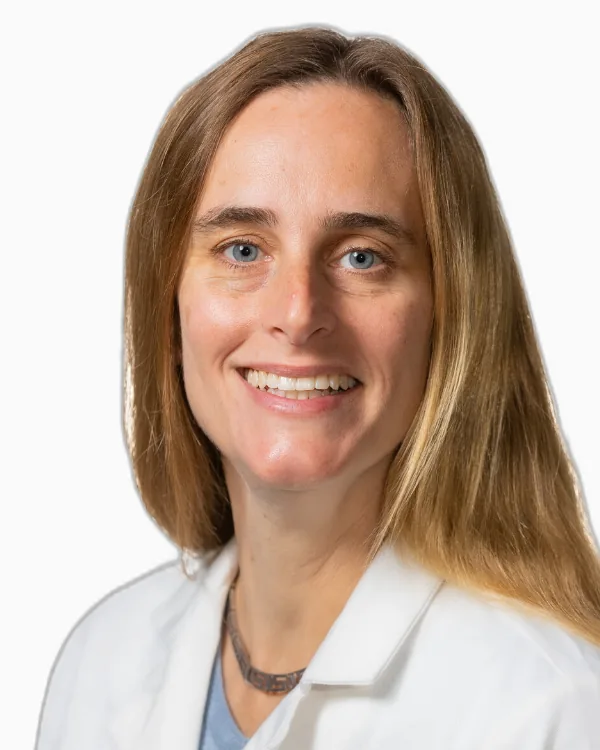
Erin Scott
Director of Microbiology · PhD
Erin leads microbiology at CB Therapeutics, with a focus on compounds for mental health research. Earlier, she was Scientist II at Verdezyne. PhD Biology, UC San Diego, with a Presidential Award for Green Chemistry. BA Molecular and Cell Biology, UC Berkeley.
-
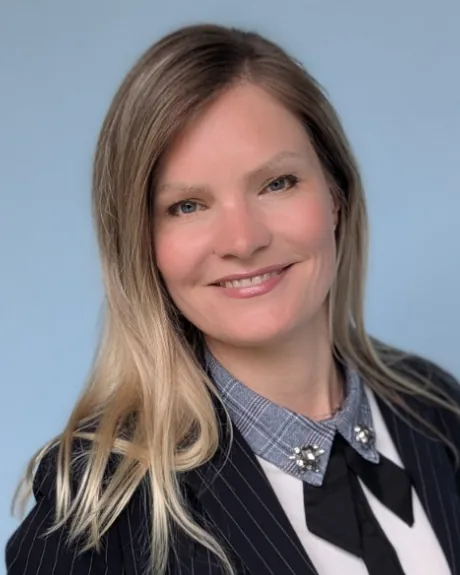
Natacha Fovel
Business Development Lead · MS
Natacha founded Satellite Consultancy.
Investors




Contact
Work with us.
- You bring a target compound, and we design the route and make it.
- We design and make new molecules with you. You own or license the result.
- We license a route or a production strain for you to run.
- We generate wet-lab data to train your AI models.